
How a Story Started
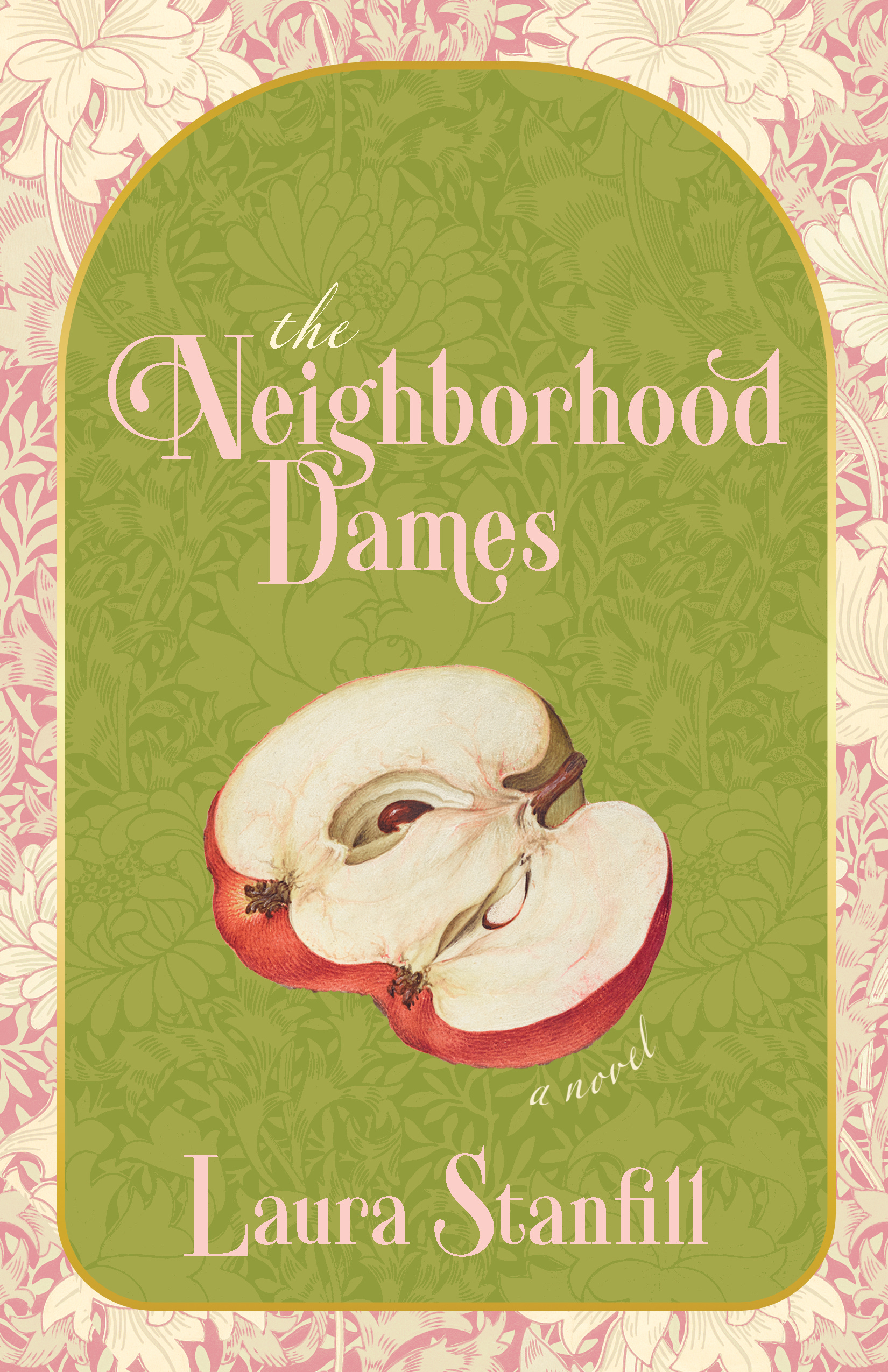
About THE NEIGHBORHOOD DAMES, my new novel

I’m signing copies of The Neighborhood Dames, my new novel, at the American Library Association Conference in Chicago from 11 to 11:30 on Sunday, June 28, in the Ingram area. Galleys of The Sea-Glass Shore, Julie Salmon Kelleher’s debut novel, will be available through the weekend as well.
I wrote The Neighborhood Dames because I wanted to put a theater organ in the middle of my plot. Which meant the story had to be set in the Roaring Twenties.
This epiphany occurred at a writers’ meetup, where I met someone who had a theater organ in his book. My dad actually restored and saved a Wurlitzer that was originally in a Hollywood radio studio. I had grown up with pipes being re-leathered in the barn and tuners coming from out of state and my dad climbing around in the pipe chambers to find a cipher, which is a pipe that’s stuck open.
.So when I heard of an author putting an organ in his book, I was gobsmacked. I could do that too! Which meant I needed a plot to support an enormous musical instrument.
I started my brainstorming with where the organ ought to be installed. The answer was immediate: our living room, in our small New Jersey town. If an organ had fit there, we wouldn’t have moved to Virginia my junior year of high school. I could have stayed with my friends and community and favorite teachers.
In fiction, a writer can make the choices that weren’t possible in real life. So I set my new manuscript in that beloved house, an English Tudor on the National Historic Register. I didn’t realize, in creating this setup, how delightful it would be to wander through the rooms of my childhood. I revisited the front bedroom, with the handmade glass panes, and the radiator where I used to play. I crawled around on the basement floor, peeling dark green paint off the concrete in the machine shop, even though I wasn’t supposed to.
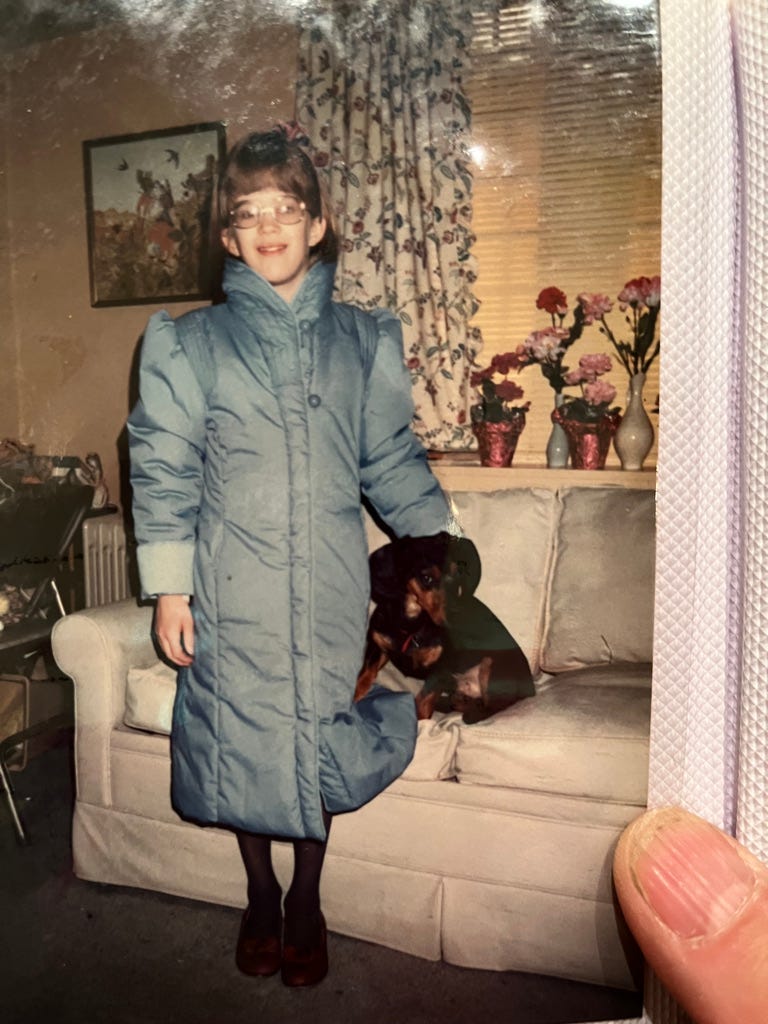
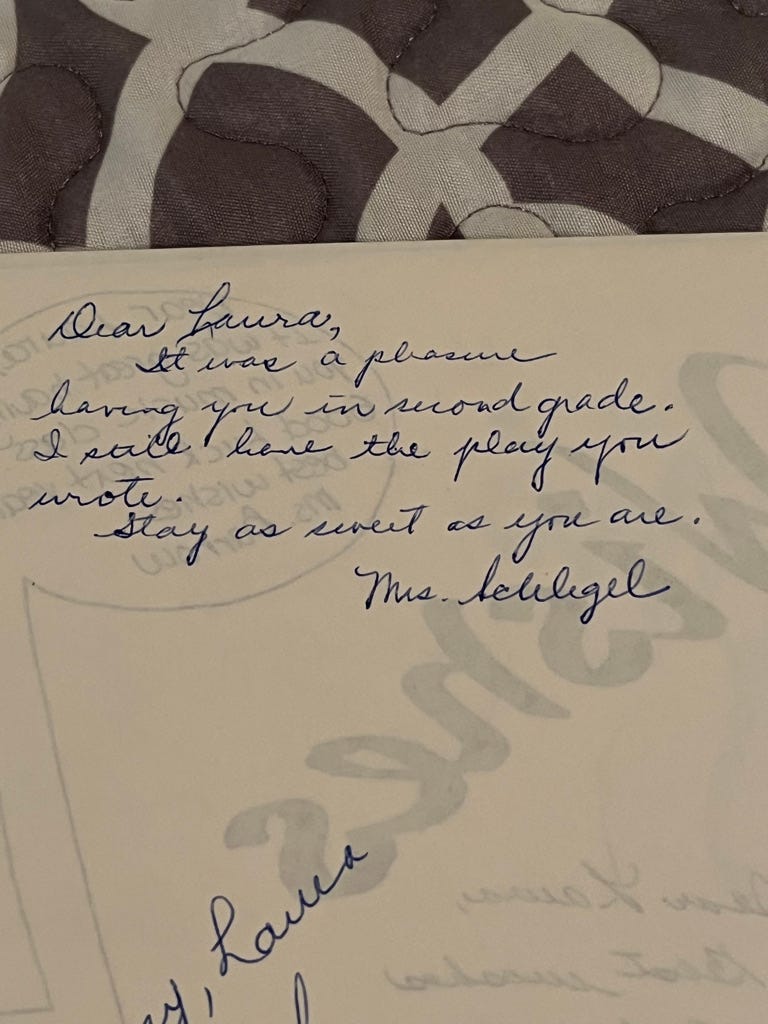
I didn’t lose months or years to figuring out the logistics of place; I knew everything about that home and the streets around it.
The young woman who grew from my imagination had a lot of anxiety about leaving her house. She knew each room with the warmth and comfort I equated with living there. I somehow knew she was unwilling to marry because… why? Well, I had to figure that part out.
Her name, Violet, appeared because in my twenties, I used to love violet pastilles, these circular old-fashioned candies with anise seeds in them. I didn’t love the anise. Violet is privileged and sheltered, and she cares deeply, but she doesn’t know how to express that to her community. Or how to help. She yearns to be connected and supportive, but she’s too cut off from her neighbors to actually interact with any of them. So she channels her wanting into being a devoted daughter.
Since Violet belonged in my childhood home, which was full of instruments and music boxes, she also had to have some connection to music. Which brought me back to the idea of a Wurlitzer.
I didn’t know how I could get an organ installed in my plot—to engineer a reason to have one inside a private home—but I knew they’d have to have lavish parties. Gatsby-esque parties. And to justify having a giant musical instrument that took a skilled performer and a team of maintenance people, the person throwing the parties would need to have a reason. I decided her father would be a bootlegger. That fit with the party idea, needing to schmooze with large numbers of people.
So then I had Violet, the house, the bootlegging, and parties.
In the novel that became The Neighborhood Dames, I put a piano in the living room. Where, I expected, the Wurlitzer organ would eventually go. Except a funny thing happened when Violet began taking piano lessons. She started making up tunes and lyrics to amuse her father. I still thought the organ would appear—eventually. But then a new girl moved in next door and they became best friends, growing up and fighting, and reuniting, and Violet yearned to be as cool and as pretty as her friend.
What’s their story? I wondered.
I guess I just have to put a Wurlitzer in the next novel.
The Neighborhood Dames will be out from Ooligan Press on Nov. 2. If you’re a reviewer and would like a copy, reach out and I’ll put you in touch with my publicity team! If you’re a librarian going to ALA, stop by the Ingram booth on Sunday at 11, and I’ll sign a copy for you. Everyone else: you can pre-order from your local bookstore.
In other news…
Local journalist Zane Sparling, 33, died from cancer yesterday. He was a phenomenal reporter, fearless and funny. I admired him so much. You can read the Oregonian’s tribute here. I’m gutted for his family and loved ones and for all the readers who looked eagerly for his bylines.
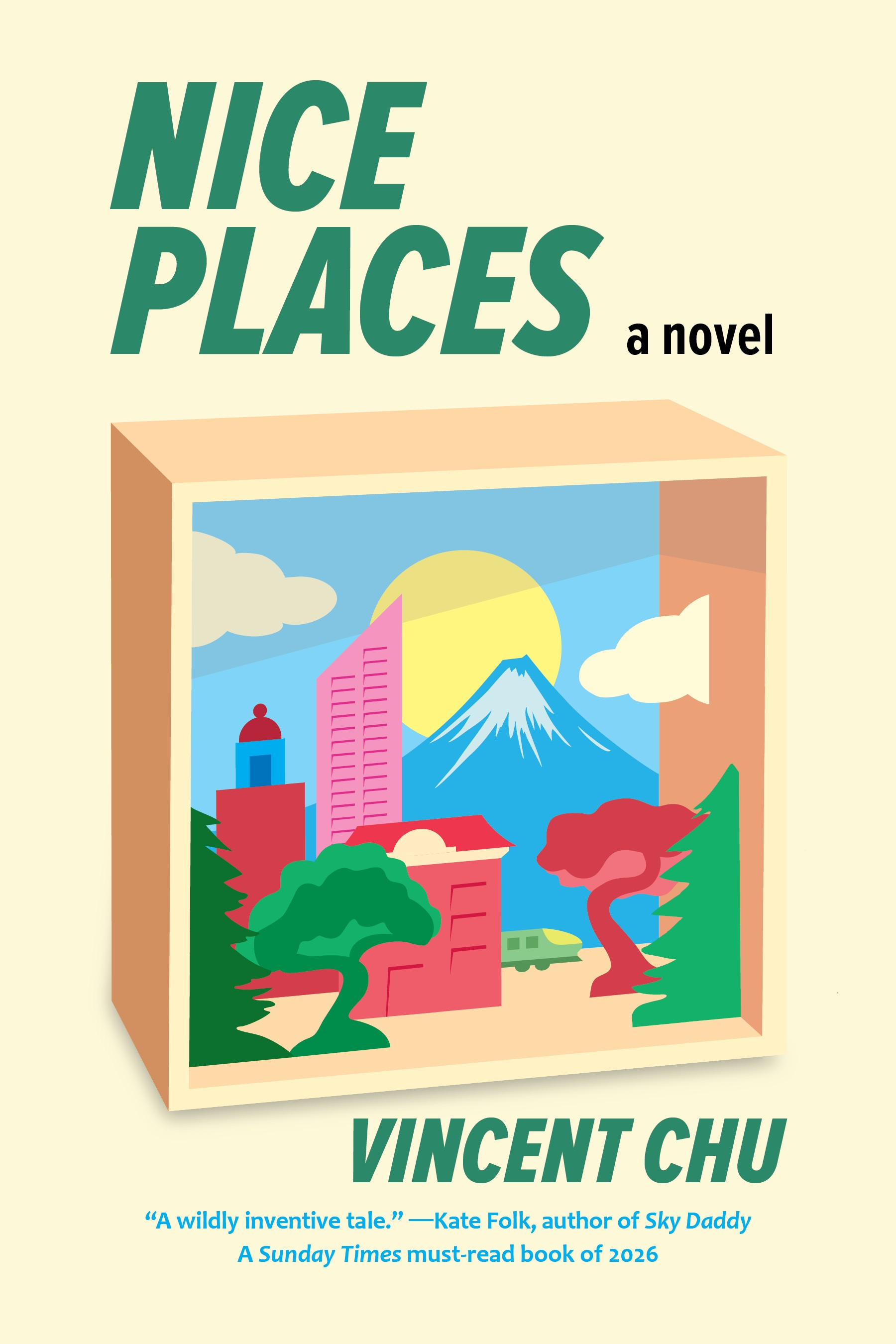
Vincent Chu’s Nice Places came out on June 2 and it has been reviewed in The San Francisco Chronicle, Kirkus, and Alta Journal!
Imagine a Door won two silver awards in the Foreword INDIES in the craft and reference categories. That brings its total up to four medals: The Memoir Prize in the craft category, a silver in the Nautilus Prize in the creativity and innovation category, and two INDIES. If you’re a writing or publishing teacher and want a desk copy to consider for classroom use, please reach out!
Purgatoire by Liz Prato was named a staff pick by the Denver Public Library! For Portland folks, she’ll be in conversation at 6 p.m. tomorrow, June 23, with Suzy Vitello at Broadway Books.
A portrait of me by K.B. Dixon was featured in Oregon Arts Watch as part of the photographer’s series “The Cultural Landscape.” I’m honored to be among the many artists, authors, and photographers he’s captured with his lens.
I am working on our spring 2027 titles now: Everything Is Freedom by Angela Ajayi and The Red Heads by Rachel King. Can’t wait to share these projects with everyone!
For discussion: Writers, what are you working on? Is it inspired by, or set in, a place that’s meaningful to you? Feel free to respond in the comments so we can get a conversation going or email me directly.
I love that such an extravagant element was a catalyst for a whole novel but didn't end up in the book itself. It's so often like that!
When I was attempting my first fantasy novel, I thought it would be fun to play with the idea of a young person growing up in a little town where nothing happens and nothing changes, because what teen hasn't thought that about their hometown? So Deep River (and its curse) were born, loosely based on the tiny town where I grew up. I also got to set a fantasy tale in a shrub-steppe habitat, which was not something I had seen a lot of. (It took 25 years to get that book right, but in the meantime, I had written multiple sequels and a spinoff trilogy, which have all been or soon will be published.)
Congrats and best wishes on the upcoming release! I like hearing novel origin stories, and yours is so ORganic (sorry; is that a word?). Also, I love the report of good news coming out of Oregon.
The setting of my novel -- Eugene, OR 1977 -- is so integral to the story I'm certain it couldn't take place elsewhere. It's as much a character as is the protagonist. I hope the title You're Gonna Love It Here (querying) captures both the sentiment and the irony of the story. Folks can get a glimpse at mlsussman.com.